Steel Belt Reinforced PE Corrugated Pipe

Steel Belt Reinforced PE Corrugated Pipe

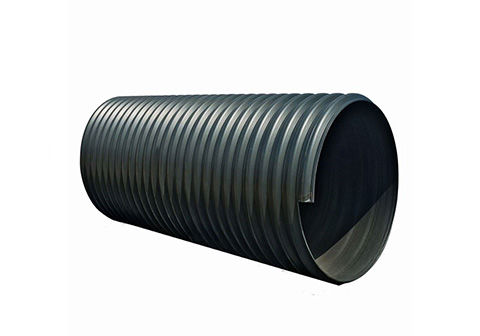
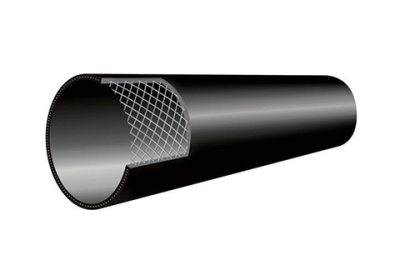
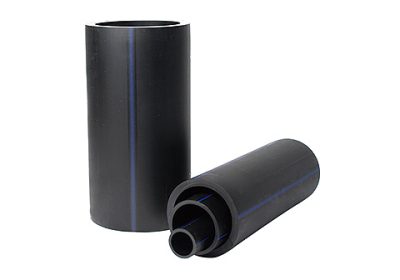
Our Steel Belt Reinforced PE Corrugated Pipe is a premium composite piping solution designed for large-scale municipal and industrial drainage. By embedding a high-strength, U-shaped steel belt within high-density polyethylene (HDPE), we combine the structural integrity of steel with the corrosion resistance of plastic. It is the ultimate alternative to traditional concrete and cast iron pipes for deep-bury and high-load environments.

Share

    Get In Touch

    Complete control over products allows us to ensure our customers receive the best quality prices and service.

    SEND EMAIL

    Description

    • Steel-Plastic Composite Structure The pipe features a U-shaped cold-rolled steel strip encapsulated within high-density polyethylene through a continuous winding and extrusion process. Because the elastic modulus of steel is approximately 200 times that of plastic, this reinforcement allows the pipe to achieve reliable ring stiffness ratings of SN8, SN10, SN12.5, and SN16. For project engineers, this ensures structural stability under high-load conditions, such as under highways and airport runways, where traditional plastic pipes might undergo excessive deformation.
    • Total Encapsulation Corrosion Resistance The internal steel skeleton is completely sealed within the HDPE base material, preventing any direct contact with the external environment or the fluid being transported. This material property renders the pipe inert to acidic or alkaline soils and aggressive industrial wastewater. For the project owner, this eliminates the risk of rust and structural failure common in metal pipes, supporting a service life exceeding 50 years in diverse geological conditions.
    • High Hydraulic Flow Capacity The extrusion process produces an ultra-smooth internal HDPE wall with a Manning’s roughness coefficient (n) of approximately 0.009 to 0.010. This low friction surface facilitates faster drainage speeds and reduces the accumulation of sediment compared to reinforced concrete pipes. This hydraulic efficiency often allows for the selection of smaller pipe diameters or flatter installation gradients, significantly reducing trench excavation volumes and overall project expenditure.
    • Lightweight Efficiency and Logistics Weighing approximately 1/8th of a standard concrete pipe, this reinforced PE pipe is significantly easier to transport and handle on-site. The reduction in mass allows for manual positioning or the use of standard excavators rather than heavy-duty cranes. This characteristic lowers inland transportation costs and accelerates installation cycles, particularly in remote mining or rural irrigation projects where heavy machinery access is limited.
    • Flexible Geological Adaptability Classified as a flexible pipe, this structure exhibits high anti-shock strength and the ability to redistribute external soil pressure through controlled deformation. Unlike rigid concrete or clay pipes that are prone to brittle fracture, the Steel Belt Reinforced PE Corrugated Pipe adapts to ground settlement and minor seismic activity. This flexibility minimizes the risk of catastrophic pipe bursts and joint displacements in areas with unstable soil or high groundwater levels.
    • Thermal and Environmental Stability The high-density polyethylene used in production maintains its mechanical properties across a wide temperature range, resisting brittle cracking down to -60℃. The black carbon black additive provides UV protection, allowing for outdoor storage and construction without material degradation. This ensures that the piping system remains viable for infrastructure projects in both extreme cold and high-heat environments without the need for specialized insulation.
    • Integrated Leak-Proof Connection Systems The pipe supports multiple heavy-duty connection methods, including electrofusion welding, heat-shrinkable sleeves, and stainless steel clamps. These joints create a monolithic or hermetically sealed connection that surpasses the sealing performance of traditional socket-and-spigot concrete joints. For municipal systems, this prevents groundwater infiltration and sewage exfiltration, thereby protecting the surrounding environment and reducing the unnecessary load on wastewater treatment facilities.

    Product Manual

    Corrugated Pipe - Product Manual

    Scope of application

    • Municipal Sewage & Drainage Networks Used for urban underground gravity sewer lines. High ring stiffness (SN16) withstands heavy traffic loads, while HDPE material resists chemical corrosion, ensuring a maintenance-free service life of over 50 years.
    • Highway & Railway Culverts Ideal for cross-drainage channels under transport infrastructure. Its flexible structure adapts to soil settlement and high-frequency vibrations without cracking, significantly reducing installation time and traffic disruption.
    • Industrial Effluent & Chemical Transport Engineered for discharging acidic or alkaline wastewater from chemical and pharmaceutical plants. The fully encapsulated steel belt prevents leaks and structural failure caused by aggressive industrial media.
    • Mining Ventilation & Slurry Drainage Deployed for underground mine ventilation and abrasive tailing slurry transport. Superior abrasion resistance and a -60℃ cold-tolerance range make it reliable for extreme high-altitude and underground mining environments.
    • Airport Runways & Seaport Terminals Designed for heavy-duty drainage systems under airport aprons and container docks. The steel-plastic composite structure prevents radial deformation under the massive localized pressure of aircraft and heavy port machinery.
    • Agricultural Irrigation & Seawater Systems Used for large-scale farmland irrigation and seawater intake. Its salt-alkali resistance and smooth inner wall (Manning’s n=0.009) increase flow capacity by 30% compared to traditional concrete pipes.
    • Landfill Leachate Collection Applied in bottom-layer drainage for solid waste landfills. It maintains its structural cross-section under massive waste burial pressure while resisting concentrated chemical leachates to prevent groundwater contamination.

    Parameters

    PHYSICAL AND MECHANICAL PROPERTIES

    PROJECTREQUIREMENT
    Ring stiffness (KN/m²)Working pressure and temperature≥8
    Rigid Strength≥10
    Corrosion resistance≥2.5
    Life≥16
    Flexibility≤10
    Impact performance (TIR) /%≥100
    Peel strength (23℃±2℃)no rupture, no separation of two walls
    Oven testsno delamination, no cracking
    Tensile strength of laminated pipe wall /N300≤DN/ID≤500≥600
    600≤DN/ID≤800≥840
    900≤DN/ID≤1200≥1020
    1300≤DN/ID≤2000≥1460
    2200≤DN/ID≤2600≥1600
    Creep ratio≤2

    SPECIFICATIONS

    INNER DIAMETERMINIMUM AVERAGE INNER DIAMETERMINIMUM INNER WALL THICKNESSMINIMUM LAMINATED WALL THICKNESSMAXIMUM PITCHMINIMUM STRIP THICKNESSMINIMUM THICKNESS OF ANTICORROSIVE COATING
    300294254.0750.42.2
    4003923.04.5850.42.2
    5004903.55.01000.52.5
    6005884.06.01100.52.5
    7006734.06.01150.52.5
    8007854.57.51200.73.0
    9008855.07.51350.73.0
    10009855.08.01500.73.0
    110010855.08.01650.73.0
    120011855.08.01800.73.0
    130012855.08.02101.03.0
    140013855.08.02101.03.0
    150014855.08.02201.03.0
    160015855.08.02301.03.5
    180017856.09.02301.03.5
    200019856.09.02351.03.5
    220021856.09.02351.23.5
    240023856.010.02351.23.5
    260025856.510.02401.23.5

    FAQ

    What is Steel Belt Reinforced PE Corrugated Pipe?

    It is a composite high-density polyethylene (HDPE) pipe reinforced with a U-shaped steel skeleton. This structure combines the high rigidity of steel with the corrosion resistance of plastic, offering superior ring stiffness (up to SN16) for large-diameter underground drainage and sewage projects.

    Do you have to put gravel under it?

    Yes. A stable bedding layer, typically 100-150mm of compacted gravel or crushed stone, is essential. This ensures "pipe-soil interaction," providing uniform support to the flexible structure and preventing localized stress concentrations or pipe flotation in high-groundwater areas.

    How deep should you bury it?

    Burial depth typically ranges from 0.5m to 20m. The specific depth depends on the ring stiffness (SN rating) and traffic loads. Minimum cover ensures protection from surface impacts, while maximum depth is governed by the pipe’s ability to withstand earth pressure.

    How long will it last underground?

    When installed according to engineering standards, it has a design service life of over 50 years. The HDPE fully encapsulates the steel belt, protecting it from corrosion by acidic or alkaline soils, ensuring long-term structural integrity and hydraulic efficiency.

    Why Choose EXLON PIPE?

    Backed by 25 years and 116 production lines, EXLON PIPE ensures disciplined quality and stable supply reliability.

    Certified Quality

    Certified Quality

    CE/ISO compliant

    OEM/ODM Ready

    OEM/ODM Ready

    Tailored designs

    Factory Direct Price

    Factory Direct Price

    Volume discounts

    One-Stop Solution

    One-Stop Solution

    Full fittings range

    Fast Delivery

    Fast Delivery

    Stable supply chain

    24×7 Support

    24×7 Support

    Full-Process Fast Response

    Get In Touch

    We support engineering contractors and project procurement teams with HDPE & PVC pipe solutions across Africa, the Middle East and Latin America. Let us know your project requirements and we will respond promptly.
    Related Products